
TV Genre Greats of 2025
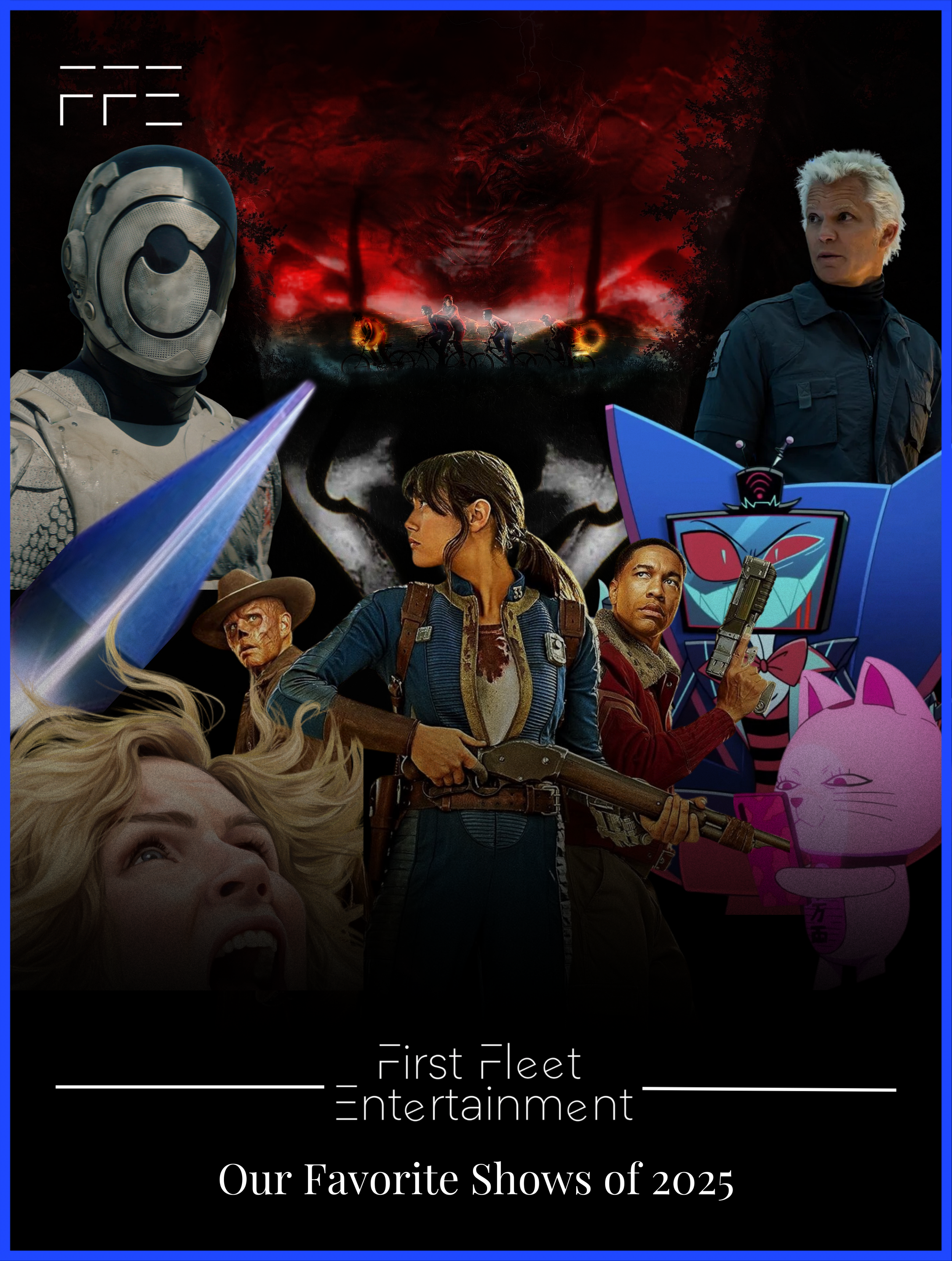
As Sunday's 83rd Golden Globe Awards ceremony approaches, genre television fans have something extraordinary to celebrate. While mainstream critics obsess over prestige dramas and sitcoms, 2025 delivered a spectacular year for science fiction, fantasy, and horror that deserves far more recognition than awards shows typically provide. This was the year genre TV stopped apologizing for its DNA and instead embraced what makes it special: bold ideas, ambitious worldbuilding, and storytelling that dares to ask "what if?" without flinching.
Severance (Apple TV+) - The Mind-Bending Masterpiece
Apple TV's dystopian workplace thriller returned after a three-year wait with a second season that somehow exceeded its already legendary first. The show explores workers at Lumon Industries who undergo a procedure to surgically separate their work and personal memories, creating two distinct consciousnesses. Season 2 deepened its exploration of identity, corporate control, and what it means to be human when your sense of self can be literally split in two.
The show earned four Golden Globe nominations, including Best Drama Series, with Adam Scott, Britt Lower, and Tramell Tillman all receiving acting nods. Critics praised the way it balanced cerebral science fiction concepts with genuine emotional stakes, proving that genre television can be both intellectually challenging and deeply moving. The series' exploration of work-life balance through the lens of literal consciousness separation resonated powerfully in our increasingly fragmented modern world.
Pluribus (Apple TV+) - Vince Gilligan's Haunting Vision
The biggest science fiction surprise of 2025 came from Breaking Bad creator Vince Gilligan, who delivered his first non-New Mexico-crime show with this devastating alien invasion story. Rhea Seehorn stars as Carol Sturka, a cynical romance author who survives a mysterious viral event that transforms nearly everyone on Earth into members of a blissful hive mind.
With a stunning 98% on Rotten Tomatoes and 87 on Metacritic, Pluribus earned Best Drama Series and Best Actress nominations at the Golden Globes. What makes the show remarkable isn't just Seehorn's nearly solo performance carrying entire episodes, but how it uses the alien invasion framework to explore loneliness, connection, and what makes us human. The show asks uncomfortable questions about whether individual consciousness is a blessing or curse, and whether the survivors are the lucky ones at all.
Gilligan's signature visual storytelling and willingness to sit in uncomfortable silence serves the material perfectly. This isn't Independence Day-style alien invasion spectacle—it's intimate, philosophical, and absolutely haunting.
Foundation (Apple TV+) - Space Opera Perfection
Isaac Asimov's sprawling Foundation saga continued its impressive adaptation streak with a third season that critics called the show's best yet. The series, which chronicles the fall of a galactic empire across centuries, benefits from rare long-term planning that allows it to navigate Asimov's time-jumping narrative with confidence.
Lee Pace continues to mesmerize as the cloned Emperor Brother Day, while newcomers like Pilou Asbæk brought fresh energy to the expanding cast. The show's willingness to make drastic changes to Asimov's source material while maintaining its thematic core proves that successful adaptation requires bold choices, not reverent copying.
Murderbot (Apple TV+) - Sarcastic AI Excellence
Martha Wells' beloved book series about a security unit robot that hacks its own programming to gain free will finally made it to screens, and the results were delightful. The series captures Murderbot's wonderfully cynical voice while translating its internal monologue into compelling visual storytelling. For fans tired of AI stories focused on Skynet-style apocalypses, Murderbot offers something refreshing: a robot that just wants to be left alone to watch its soap operas and occasionally save humans despite its better judgment.
The Wheel of Time (Prime Video) - Finally Finding Its Footing
After two seasons of growing pains, Prime Video's adaptation of Robert Jordan's epic fantasy hit its stride with a spectacular third season. The show tackled material from The Shadow Rising, one of the book series' most beloved entries, and delivered what critics called one of the best episodes of genre television in 2025 with "The Road to the Spear"—a time-traveling journey through Aiel history that proved the series could handle Jordan's complex worldbuilding.
The show's willingness to make significant changes from the source material while honoring its spirit has won over skeptics. Josha Stradowski's Rand al'Thor fully came into his own as the prophesied hero destined to either save or break the world, while the expanded ensemble demonstrated the depth of Jordan's character work.
Fallout (Prime Video) - Wasteland Wonders
The video game adaptation genre reached new heights with Fallout Season 2, which expanded on the first season's already impressive foundation. The show's commitment to practical creature effects, dark comedy, and the source material's retrofuturistic aesthetic set a new standard for game adaptations.
What makes Fallout special is how it captures the games' tonal balance—simultaneously devastatingly violent and absurdly funny, with genuine heart underneath the irradiated chaos. The show understands that the Wasteland isn't just a setting but a character, and treats it with the respect it deserves.
Alien: Earth (FX/Hulu) - Xenomorphs Come Home
Noah Hawley, fresh off Fargo's success, brought the iconic Alien franchise to television with a prequel set in 2120 that exceeded all expectations. Setting an Alien story on Earth seemed risky—the franchise's claustrophobic spaceship settings are iconic—but Hawley used the opportunity to expand the mythology while introducing new types of androids and creatures.
Sydney Chandler anchored the series as the young soldier who discovers humanity's first encounter with xenomorphs. The show succeeded where many franchise expansions fail by marking out its own territory rather than simply recreating what Ridley Scott already perfected in 1979. Though the final episodes stumbled slightly, the season as a whole delivered genuine scares and pushed the franchise into bold new territory.
It: Welcome to Derry (HBO) - Pennywise's Origin Story
Stephen King's iconic killer clown got the prestige television treatment with this HBO prequel series set in 1962 Derry, Maine. With Andy Muschietti (director of the recent films) as a key creative force and Bill Skarsgård returning as Pennywise, the show explored the evil's earlier manifestations.
The series balanced gore with genuine dread, creating an atmosphere of mounting horror that pays homage to King's novel while forging its own path. It's a reminder that when horror television commits fully to being scary rather than just referencing scary things, it can be genuinely terrifying.
Stranger Things Season 5 (Netflix) - The Final Chapter
After nearly a decade, the Hawkins crew faced Vecna and the Upside Down for the final time. While the final season wasn't part of the Golden Globes conversation—genre shows rarely get their due—it represented the end of an era for a show that helped usher in the current golden age of genre television. The Duffer Brothers delivered a conclusion that honored the show's roots while providing closure for characters fans have followed since 2016.
Not every great genre show dominated headlines or awards conversations. Dan Da Dan (Crunchyroll) delivered outstanding anime supernatural comedy that blended aliens, ghosts, and teenage romance with style. Futurama proved that revival seasons can work when creators genuinely have more stories to tell. Mobile Suit Gundam GQuuuuuuX offered franchise retrospective through fresh characters, providing hope that long-running series can examine their own legacies with honesty. The return to Hazbin Hotel (Prime Video) was refreshing and more creative than the inaugural season past. With some of the best music we have heard in years, making us excited to route for these delightful demons.
Star Trek: Strange New Worlds continued boldly going with a third season that embraced its prequel status while introducing genuinely scary villains in the Vezda and giving Lt. Ortegas a showcase two-hander episode with a Gorn.
Game & Comic Adaptations
The Last of Us Season 2 (HBO) made the bold choice to follow the controversial video game sequel's narrative structure, killing its main character early and exploring what that loss means for the world. The show trusted the story enough to make difficult choices, resulting in a powerful, low-key season that deepened the post-apocalyptic world.
Daredevil: Born Again (Disney+) brought Charlie Cox's definitive Matt Murdock back to screens with Vincent D'Onofrio's chilling Wilson Fisk. The show proved that Marvel can deliver street-level superhero stories.
Why This Year Matters
The Golden Globes will likely overlook most of these shows in favor of safer prestige fare—genre television rarely gets the awards recognition it deserves. But 2025 represented something crucial for science fiction, fantasy, and horror on the small screen: these shows stopped treating their genre elements as gimmicks and instead embraced them as essential storytelling tools.
Severance uses science fiction to explore labor rights and personal identity. Pluribus asks what happens when individual consciousness becomes obsolete. The Wheel of Time proved epic fantasy can work on television with proper planning and budget. Alien: Earth demonstrated that even the most established franchises have new stories to tell.
Apple TV+ emerged as an unlikely hero of genre television, capturing three of six Best Drama nominations (Pluribus, Severance, Slow Horses) at the Golden Globes—a remarkable achievement that shows streaming services are willing to bet on ambitious, cerebral science fiction.
Perhaps most importantly, 2025's genre shows attracted top-tier talent. Vince Gilligan choosing science fiction for his post-Breaking Bad project signals that genre television is no longer a ghetto for creators who can't get "serious" work. Ben Stiller producing and directing Severance, Noah Hawley tackling Alien, the Russo Brothers backing From—these are creators betting their reputations on genre storytelling.
Awards Season
As Nikki Glaser takes the stage Sunday night, she'll likely spend more time on The White Lotus and Only Murders in the Building than Severance or Pluribus. That's fine. Genre fans have always known that the best television happens in the margins, where creators can take risks and audiences are willing to embrace the strange and unusual.
Science fiction has asked genuinely difficult questions about consciousness, humanity, and our relationships. Fantasy builds worlds dense enough to get lost in for years. Horror scares us mostly when the terror comes from ideas, not just jump scares.
2025 proved that when genre television is done right—with ambitious writing, committed performances, and creators who trust their audiences—it can be as emotionally devastating as any prestige drama while also asking questions no other form of storytelling can explore.